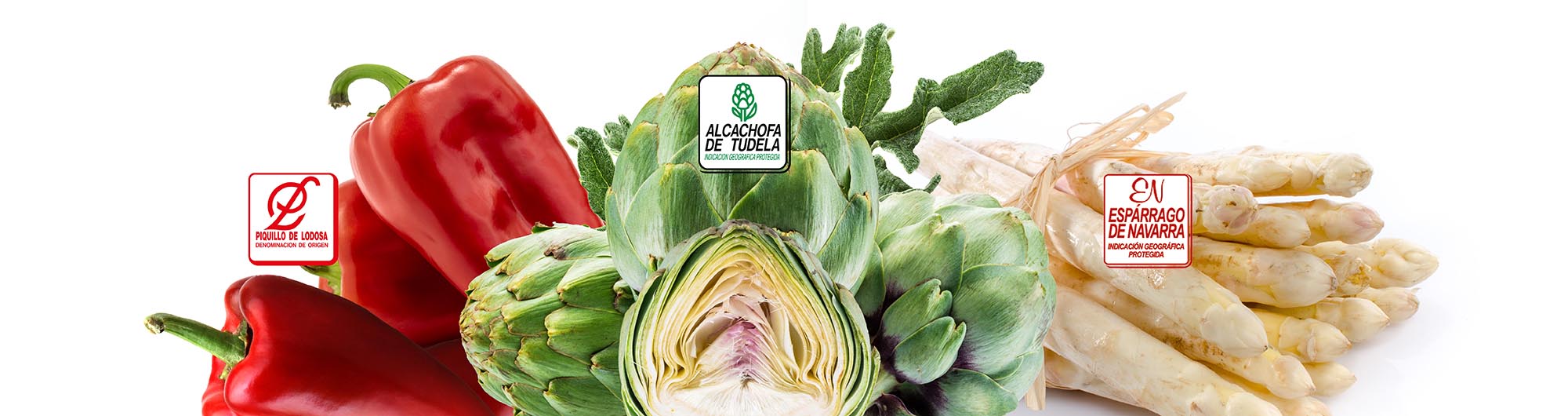
VEGETABLES FROM NAVARRA
Piquillo from Lodosa
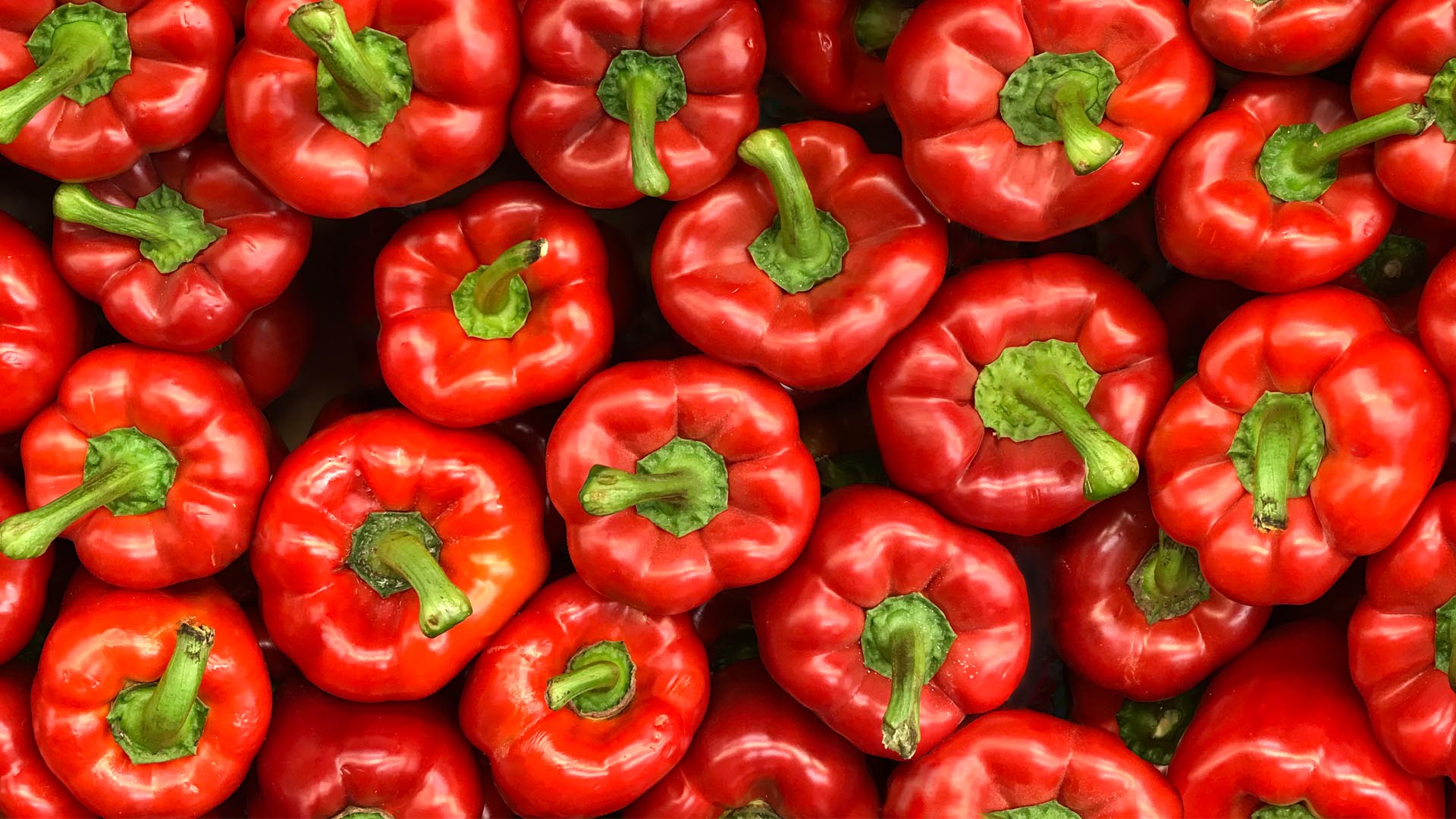

The pepper certified by the Piquillo from Lodosa Designation of Origin is an intense red, fleshy, compact, consistent pepper with a turgid texture without being hard. It has a sweet flavour that is not at all acidic and with a certain roasted aftertaste. The Piquillo from Lodosa variety is cultivated and produced exclusively in eight municipalities in the Autonomous Community of Navarra.
Piquillo from Lodosa protected area
Piquillo from Lodosa peppers are grown and produced exclusively in eight municipalities in Navarra listed as protected areas in the Regulation: Andosilla, Azagra, Cárcar, Lerín, Lodosa, Mendavia, San Adrián and Sartaguda.
Characteristics
The pepper certified by the Piquillo from Lodosa Designation of Origin covers the canned piquillo variety, grown and processed exclusively in the eight municipalities covered by the Regulation.
Its high quality and very special flavour distinguish it from other peppers and it enjoys international recognition, appearing in the European Register of Designations of Origin for Agricultural Products.
The morphological characteristics of the Piquillo from Lodosa pepper are as follows:
- High vegetative development, from birth to its highest part.
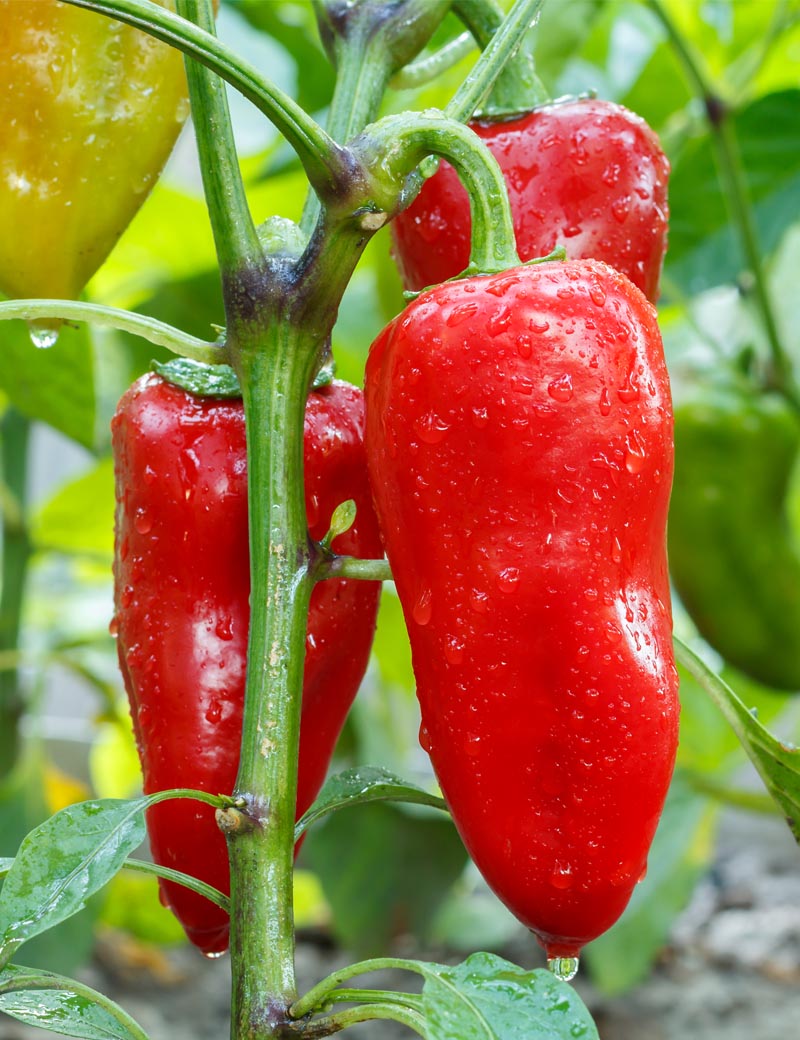
- The ripe fruit is deep red in colour.
- Short length, from 8 to 10 cm.
- Medium diameter, from 4 to 6 cm.
- Very fine flesh and average fruit weight between 35 and 50 gr.
- Hanging fruit.
- Triangular shape, with 2 or 3 sides and ending in a slightly curved incised tip.
Cultivation
The pepper belongs to the Solanaceae family, and its scientific name is Capsicum annuum L. Although it is a plant originating from South America, the Piquillo from Lodosa pepper is an ecotype of the piquillo variety, native to Navarra, which reaches its maximum taste quality in the geographical area that bears its name and in the neighbouring municipalities. The Piquillo from Lodosa pepper is an annual herbaceous plant:
- It is sown in seedbeds.
- Around the month of May it is transplanted in furrows in the final soil.
- During the spring and summer, the appropriate watering, fertilising, weeding, etc. are carried out.
Harvesting begins in mid-September and continues until November. Harvesting is carried out by hand with successive harvesting passes at intervals of one week on average.
Elaboration

Processing
The production lines for the Piquillo from Lodosa vary from one company to another depending on their degree of mechanisation: from manual coring and peeling to peeling by means of specific machines.

Elaboration
In any case, the production process consists of the following stages:
- When the peppers arrive at the factory, they are placed in a hopper with water to remove impurities from the field.
- Once cleaned, they go up a conveyor to be roasted over a direct flame.
- The process continues with meticulous coring, peeling and seed removal.
- The peeled peppers go to the packaging section where experts select, classify and pack the peppers in specific tins and jars.
- As in the processing, the packaging is done dry, so that the small amount of transparent and dense liquid that appears when the can is opened is the same juice that the peppers have released.

Sterilisation
Once closed, the cans are autoclaved for proper sterilisation. This allows the aroma, the consistency of the meat, the natural sugars and fats and, above all, its genuine flavour to be preserved.
Consumption tips
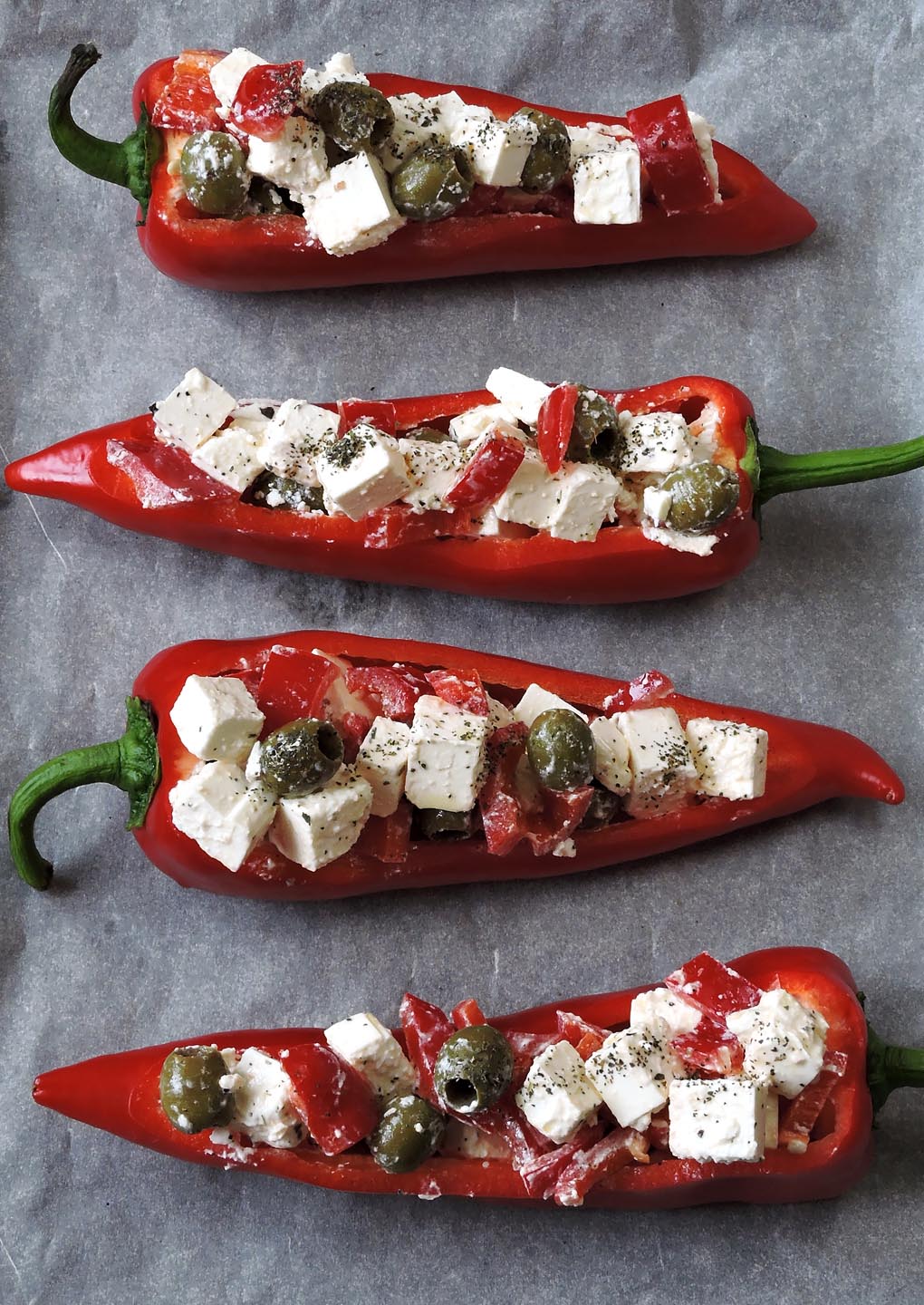
The preserved Piquillo from Lodosa, as well as being healthy and balanced, is very practical, as it allows you to prepare delicious dishes in just a few minutes.
A versatile product that allows a multitude of preparations and is the perfect accompaniment for countless dishes.
- Raw, in salads, chop them just before eating to avoid oxidation of their vitamins.
- With red meat, they favour the assimilation of iron..
- Roasted, although they lose part of their richness in vitamin C, they maintain their full carotene content.
- When cooking them, it is advisable to take advantage of the natural broth.
- As an accompaniment, there is nothing better than some Piquillo from Lodosa peppers confit.
With Piquillo from Lodosa peppers, do not discard the liquid from the can, as it is the juice released by the peppers themselves.
Buying guide
Not all Piquillo peppers are protected by the Designation of Origin. Peppers are also marketed under this name that have nothing to do with the product controlled by the Regulatory Council.
For this reason, when you make your purchase, make sure that the packaging has in a visible place:
1. The logo of the Denomination.
2. A numbered back label provided by the Regulatory Council.
Piquillo peppers with the Denomination may include the word “LODOSA” in the name; on the other hand, peppers that do not have the Denomination may not do so. Thus, only packs from manufacturers belonging to the Designation of Origin bear the following on their labels: Piquillo from Lodosa.
List of companies

Canned
- CONSERVAS ARTESANAS ROSARA
- CONSERVAS LODOSA
- DANTZA
- EL NAVARRICO
- El Barón
- FINCA RIPA & MATEO
- GILVER
- JUANCHU
- LA TUDELANA | Deliconservas Medrano
- PEDRO LUIS
- PERON
- VIUDA DE CAYO